Where to Buy Weed in Sri Lanka: Marijuana in Colombo and Other Cities in 2026
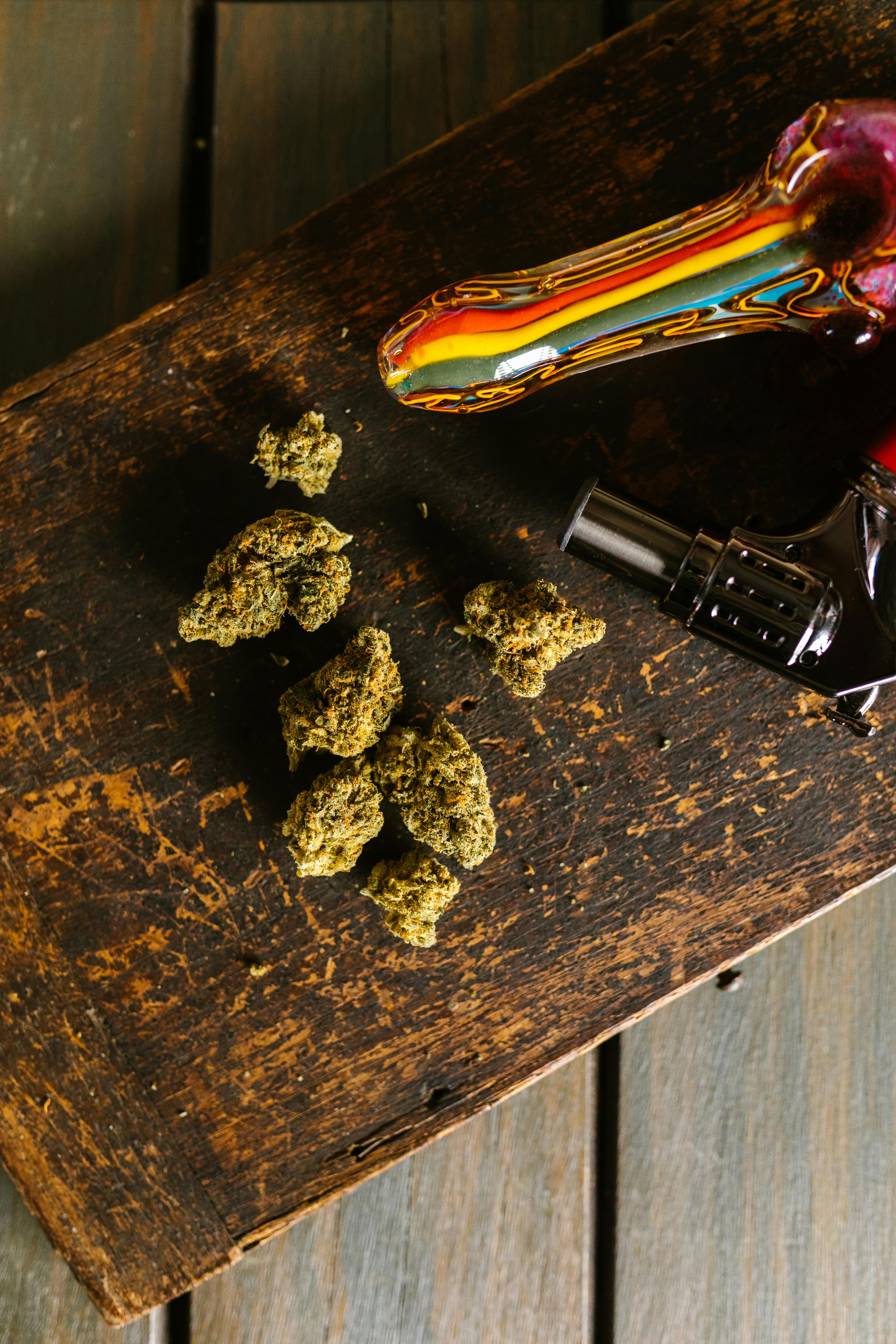
Where to buy marijuana in Sri Lanka in 2026?
Place an OrderSearches such as “marijuana in Sri Lanka 2026,” “weed in Sri Lanka,” “cannabis Colombo,” “weed Sri Lanka,” and “cannabis Sri Lanka laws” often appear even before a trip, as visitors try to understand the local situation and how the topic is viewed on the island.
Marijuana is often associated with certain sensations: relaxation, reduced inner tension, and a stronger perception of music, flavors, and nature — especially against the backdrop of the ocean and the tropical climate. For more information and to purchase, follow the link.
Weed in Colombo, Kandy, Galle, and Tourist Areas
Interest in topics such as marijuana in Sri Lanka, cannabis in Colombo, and weed on the island is often tied not so much to buying it as to general curiosity about the plant’s effects. Many people discuss its relaxing qualities, heightened sensory perception, and changes in mood — especially in the atmosphere of a tropical climate and the ocean coast.
Some studies describe the influence of cannabinoids on the systems that regulate mood and stress. People also mention a sense of slowed time and a more vivid perception of music and nature. When approached moderately, interest in cannabis is often connected with the search for new sensations and inner balance, not only with recreation.
Marijuana Laws in Sri Lanka: What You Need to Know
Sri Lankan law classifies cannabis as a controlled substance. Its circulation is regulated under criminal law, and any activity outside a medical or officially permitted context falls under legal restrictions.
One distinctive feature of the country is that regulation is based on older legal acts inherited from the colonial period. This makes the legal system around narcotic substances fairly strict and highly formalized.
CBD in Sri Lanka: Is It Allowed and Where Is It Sold?
CBD in Sri Lanka falls into a less straightforward category than marijuana with high THC content. In some cases, the use of cannabis in alternative medicine is permitted, which sets the country apart from many others in the region.
However, the commercial market for CBD products remains underdeveloped, and there is virtually no standardized retail network. It is worth noting that the European model of freely sold oils and extracts does not apply here.
Medical Cannabis in Sri Lanka
Sri Lanka has a unique historical aspect: cannabis has traditionally been used in Ayurvedic practice. Within the framework of national medicine, its use is allowed in strictly defined forms and under the supervision of specialists.
At the same time, this does not mean free access or a broad medical cannabis program in the Western sense. Regulation remains centralized and limited.
Will Marijuana Be Legalized in Sri Lanka?
The question of marijuana legalization in Sri Lanka appears from time to time in public discussions, especially against the backdrop of global trends. However, the official position of the state remains conservative.
It is more likely that Sri Lanka will move toward a regulated medical sector or export-oriented projects than toward full legalization of recreational cannabis in the coming years.
FAQ — Cannabis in Sri Lanka
Is marijuana legal in Sri Lanka?
Recreational marijuana is not legal in Sri Lanka.
Can you buy weed in Colombo?
There are no official cannabis stores in the country.
Is CBD allowed in Sri Lanka?
CBD is not present in Sri Lanka as a mass retail market.
Is medical cannabis available in Sri Lanka?
There is no broad state medical cannabis program in the Western sense, although discussions about pharmaceutical use arise from time to time.
Is marijuana legalization being considered in Sri Lanka?
At the moment, the country maintains a conservative approach.
Is it possible to buy marijuana containing THC in Sri Lanka?
Yes, to do this, follow the link.